
How to Buy a Guitar for Beginners: A Complete Buying Guide
Buying your first guitar is an exciting step toward learning music. However, with so many guitar types, brands, sizes, and prices available, choosing the right guitar can feel confusing, especially if you are a beginner.
Before buying a guitar, think about your music taste, comfort, budget, and learning goals. The best guitar for beginners is not necessarily the most expensive one. It is the guitar that feels comfortable, sounds good, and motivates you to practice every day.
Whether you want to play Bollywood songs, Hollywood hits, pop music, classical melodies, or rock music, this beginner’s guide will help you understand how to choose the right guitar for your needs.
1. Decide Which Type of Guitar You Want
Before buying your first guitar, it is important to understand the three main types of guitars: acoustic, classical, and electric.
Acoustic Guitar
An acoustic guitar is one of the most popular choices for beginners. It produces sound naturally through its hollow body, so you do not need an amplifier to play it.
If you are a beginner who wants to learn guitar at home, practice daily, or play songs with friends, an acoustic guitar can be an excellent choice.
You can use an acoustic guitar to play a wide variety of music, including Bollywood songs, Hollywood hits, pop music, romantic melodies, and acoustic covers.

Best for: Beginners who want to learn popular songs, strumming patterns, basic chords, and everyday guitar playing.
Classical Guitar
A classical guitar uses nylon strings, which are generally gentler on the fingertips than the steel strings found on most acoustic guitars. It also usually has a wider neck.
Classical guitars are commonly used for classical music, fingerstyle playing, and certain traditional music styles. Their softer strings can make them appealing to some beginners.

Best for: Beginners interested in classical music, fingerstyle techniques, and a gentler feel under their fingers.
Electric Guitar
An electric guitar is commonly used for rock, blues, metal, lead guitar, and modern music styles. Unlike an acoustic guitar, it usually needs an amplifier or another suitable audio setup to produce its full sound.
Electric guitars are available in different shapes, designs, and sound styles, making them a popular choice for aspiring guitarists who enjoy riffs, solos, and rock music.
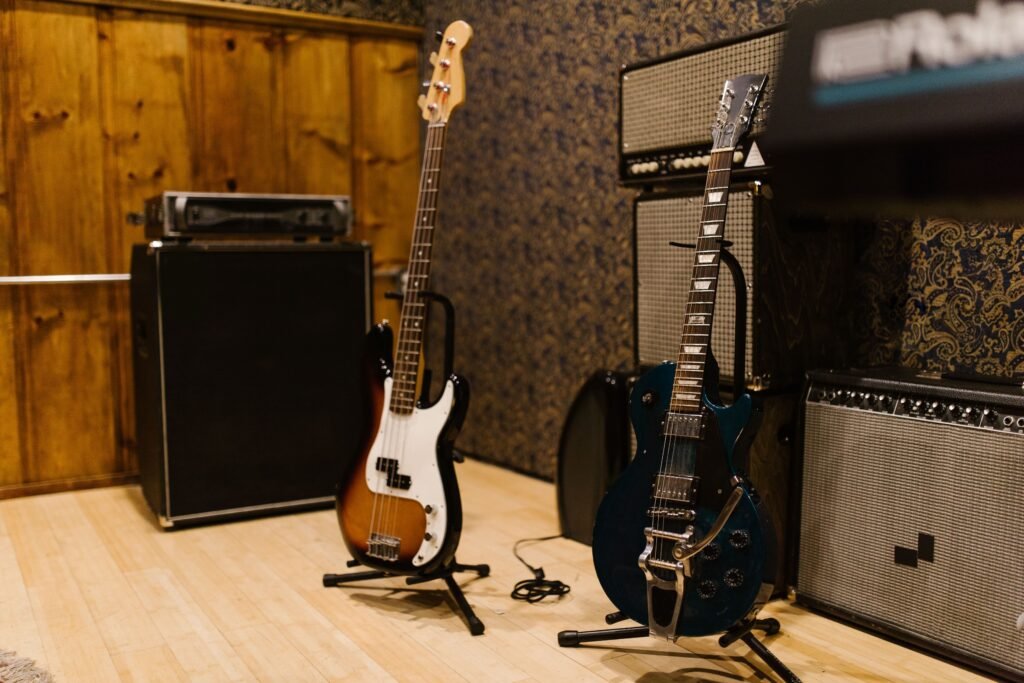
Best for: Beginners who want to play rock songs, guitar solos, riffs, and modern electric guitar styles.
| Feature | Acoustic | Classical | Electric |
| Strings | Steel | Nylon | Usually steel |
| Amplifier needed | No | No | Usually steel |
| Best for | Pop, Bollywood, strumming | Classical, fingerstyle | Rock, riffs, solos |
| Beginner-friendly? | Yes | Yes | Yes |
| Extra equipment | Minimal | Minimal | Amplifier/audio setup |
Beginner tip: Choose a guitar according to your musical interests, comfort, and budget. You do not need to buy an expensive guitar when you are just starting. An affordable, well-built instrument can be a great way to begin your musical journey.
2. Set Your Budget Before Buying a Guitar
One of the first things beginners consider when buying a guitar is the price. Your first guitar does not need to cost a fortune, but it should be comfortable to play and reasonably well-built.
Here are some illustrative guitar price ranges in India:
- Around ₹4,000: Entry-level guitars for beginners exploring the basics.
- ₹4,000–₹8,000: A possible starting range for many beginner acoustic guitars.
- ₹8,000–₹15,000: More options for build quality, sound, and playing comfort.
- ₹15,000 and above: A wider selection of premium acoustic guitars and electric guitar options, although electric setups may cost extra.
These prices are approximate. Actual costs depend on the brand, model, materials, seller, and accessories included.
When comparing guitars, do not focus only on the price or brand name. Check the sound quality, string action, build quality, tuning stability, and overall comfort.
Tip: Keep some money aside for essential accessories such as a tuner, guitar bag, picks, and extra strings.
3. Choose the Right Guitar Size
Choosing the correct guitar size is important because an uncomfortable instrument can make learning more difficult.
A full-size guitar may suit many adults, while smaller guitars can be easier to handle for children and people with smaller hands.
Common guitar sizes include:
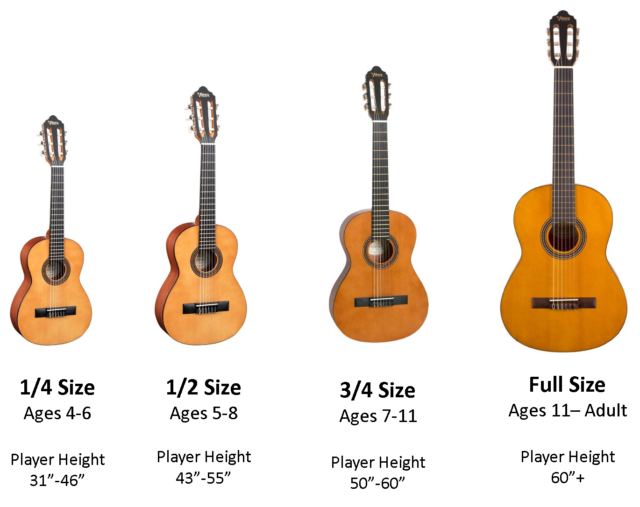
- 1/2-size guitar: Suitable for some young children.
- 3/4-size guitar: A popular option for older children and smaller players.
- Full-size guitar: Suitable for many teenagers and adults.
These are general guidelines rather than strict rules. The right size depends on your height, arm length, hand size, and playing comfort.
Before purchasing a guitar, hold it in a normal playing position. Check whether you can comfortably reach the fretboard, press the strings, and move your fingers between chords.
If you are buying a guitar for a child, consider taking them to a music store so they can try different sizes.
4. Check the Guitar’s Playability and Quality
A guitar may look attractive but still be difficult to play. Before making your purchase, check the following features.
String Action
String action refers to the height of the strings above the fretboard. If the strings are too high, pressing them down can be difficult and uncomfortable for beginners.
Choose a guitar with comfortable string action. A music shop technician can adjust it if necessary.
Tuning Stability
A good beginner guitar should stay reasonably in tune during normal playing. If it frequently goes out of tune, practising can become frustrating.
Build Quality
Inspect the guitar for cracks, loose components, uneven frets, damaged tuning pegs, or other visible defects.
Neck Comfort
Hold the guitar and see whether your fretting hand can move comfortably along the neck. The neck should feel manageable for your hand size.
Sound Quality
Play a few individual notes and basic chords if possible. Listen for unwanted buzzing, rattling, or unusually dull sounds.
If you are new to music, ask a guitar teacher or experienced guitarist to help you inspect the instrument.
Important: A comfortable, well-adjusted guitar can make your learning experience easier and more enjoyable.
5. Should You Buy a Guitar Online or From a Music Store?
Both online and offline shopping have advantages. Your choice depends on your budget, experience, and ability to test the instrument.
Buying a Guitar Online
Online shopping allows you to compare guitar models, prices, specifications, and customer reviews from home.
Advantages include:
- Easy comparison of different brands and models.
- Convenient home delivery.
- Access to a wider selection of instruments.
- The ability to compare prices before purchasing.
However, you cannot physically test the guitar before ordering it. Always check the seller’s reputation, return policy, warranty, and delivery conditions.
Buying a Guitar From a Music Store
Visiting a physical music store allows you to hold the guitar, compare different models, and check its sound and comfort before buying.
Advantages include:
- Testing the guitar before making a decision.
- Comparing different sizes and neck shapes.
- Getting advice from store staff.
- Checking the instrument for visible defects.
If possible, take an experienced guitarist or music teacher with you.
Which option is better for beginners?
For many first-time buyers, trying a guitar in person is a useful approach. If you prefer buying online, choose a reputable seller and make sure you understand the return and warranty conditions.
6. Buy Essential Guitar Accessories for Beginners
After choosing your guitar, you may need a few accessories to make learning and practising easier.
Here are some useful guitar accessories for beginners:
- Digital tuner: Helps you tune your guitar correctly.
- Guitar bag: Protects your instrument from dust and minor scratches.
- Guitar picks: Useful for strumming and picking strings.
- Extra strings: Helpful when a string breaks or needs replacement.
- Guitar stand: Keeps your guitar accessible and safely supported.
- Learning materials: A structured course, music teacher, or reliable online lessons can help you develop proper technique.
If you choose an electric guitar, you will also need a suitable amplifier or audio setup, along with any necessary cables.
You do not need to purchase every accessory immediately. Start with the essentials and add more as your skills develop.
7. Learn Guitar the Right Way as a Beginner
Buying the right guitar is only the first step. Regular practice and proper technique are important for developing your skills.
As a beginner, focus on learning:
- How to hold the guitar correctly.
- How to tune the strings.
- Basic guitar chords.
- Simple strumming patterns.
- Chord transitions.
- Easy songs that match your musical interests.
Try to practise for 15–30 minutes daily, depending on your schedule and comfort. Consistency is more useful than practising for long hours only occasionally.
You can learn through online lessons, self-study, or a structured guitar course. If you find it difficult to understand chords or correct your technique, learning with an experienced instructor can help.
Remember, every guitarist starts as a beginner. Be patient, practise regularly, and enjoy the process.
Conclusion: Which Guitar Should a Beginner Buy?
Choosing the right guitar for beginners becomes easier when you understand your musical interests, budget, comfort, and learning goals.
An acoustic guitar is a popular starting option for people who want to play Bollywood songs, pop music, and acoustic covers. A classical guitar may suit those interested in nylon strings and classical playing, while an electric guitar is ideal for aspiring rock guitarists and solo players.
Before buying, compare the available options, check the guitar’s quality, and choose a size that feels comfortable. You do not need the most expensive instrument to start learning music.
The best guitar for beginners is one that fits your budget, feels comfortable in your hands, and inspires you to practise every day.
Start with the right guitar, stay consistent, and enjoy your musical journey!